By Aishat Braimah
June 12, 2018 is an important day. This day is important because of what it symbolizes and what it seeks to do. The World
Day Against Child Labour seeks to: shed light on the atrocities of child labour practices around
the world; force humanity to confront the realities of child labour; galvanize collective efforts
to prevent child labour; and reassert the need to guarantee and protect the rights of the world’s
most vulnerable (arguably) group, children.
The International Labour Organization (ILO) defines child labour as: “Work that deprives children
of their childhood, their potential and their dignity, and that is harmful to (their) physical and
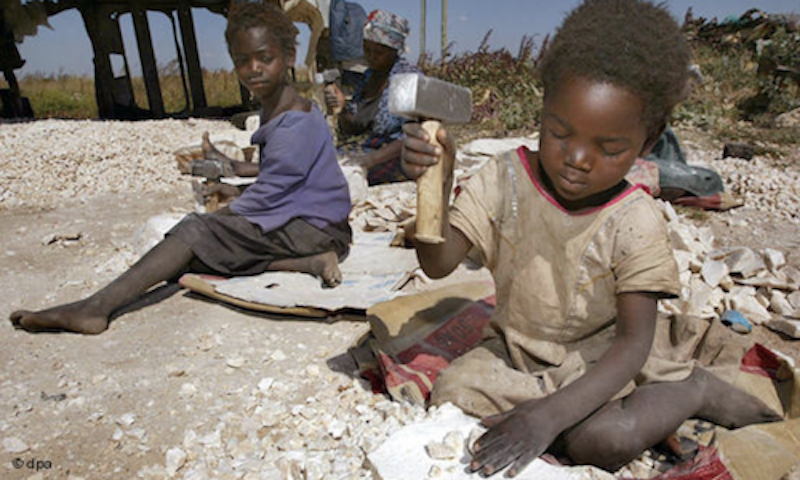
mental development”. This includes the most heinous forms of labour (slavery, forced recruitment
of children in conflict situations, child pornography, debt bondage), underage child labour (this
is often seen in the private sphere within households) and hazardous work (in factories, mines or
any other working situation where health and safety standards are poor or non existent).
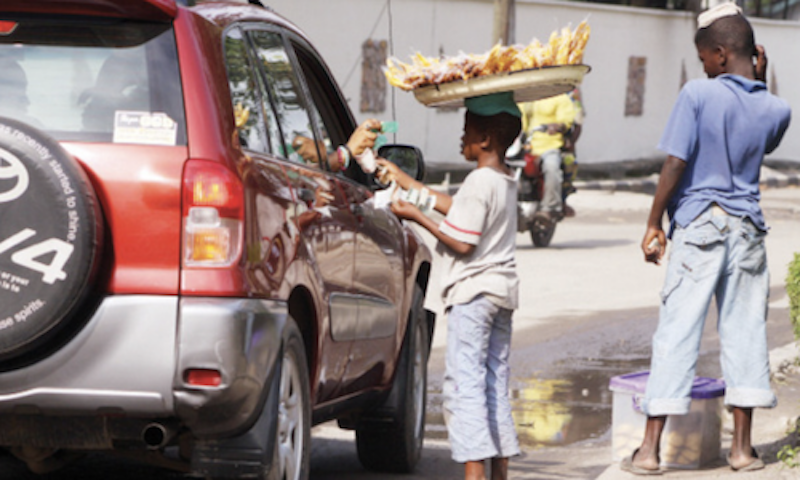
So why should we observe this day? Child labour is a destructive impediment on any child’s life. It robs
children of their ability to enjoy their childhood, by forcing them into the workforce to earn a
living for themselves and their families. Child labour deprives children of an adequate education,
good health and nutrition. It exposes them to hazardous (often life threatening) working conditions,
and also places them in a position where they are highly susceptible to violence, abuse and exploitation.
All children are the future of our world. When they are being subjected to child labour, not only
are we stagnating their development, we are stagnating the development of the world.
Though international legal standards and practices (such as Target 8.7 of the UN’s 2030 Sustainable
Development Goals, ILO’s Minimum Age Convention and the Worst Forms of Child Labour Convention) have
been established to protect children from child labour, the ILO and Save the Children estimate that
168 million children are still subject to child labour. Of this number, 85 million are engaged in
dangerous and life-threatening work.
With so many international standards and goals in place, why are there still millions of children working
as child labourers? The answer to this is simple. The lack of implementation of international standards
and national legislation, allows for child labour to continue around the world. Until State governments
make the decision to ratify international standards, enact adequate national legislation and set
up effective implementation and monitoring structures to support the process of eliminating child
labour, millions of children everyday will continue to be affected. Countries need to make the intentional
decision to fully and actively commit to taking effective and immediate action towards the complete
prohibition and elimination of child labour practices.
World Day Against Child Labour 2017 focused on children affected by conflicts and disaster, who
by virtue of their plight, are most at risk to child labour. The theme for 2018 World Day Against
Child Labour is Generation Safe & Healthy. The theme focuses on promoting and improving the health
and safety of children in the workforce, especially those engaged in dangerous forms of work.
Join the We Rise Initiative and The 300 Project in marking World Day Against Child Labour and raising
awareness of child labour. We have a collective and social responsibility to ensure that all children
around the world are protected and no child is left behind. The time to intensify efforts towards
abolishing child labour is now!